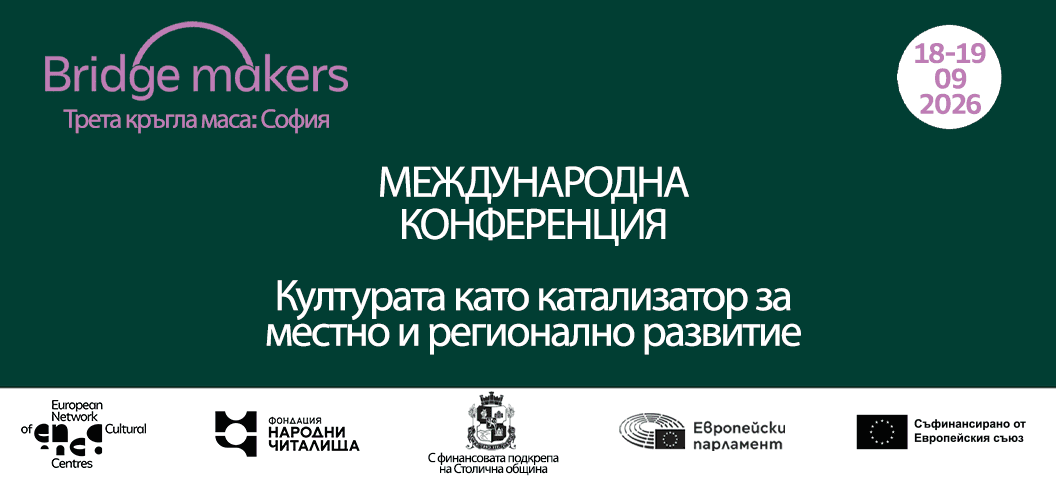
Culture as a Catalyst for Local and Regional Development
From Local Partnerships to a Broader European Dimension.
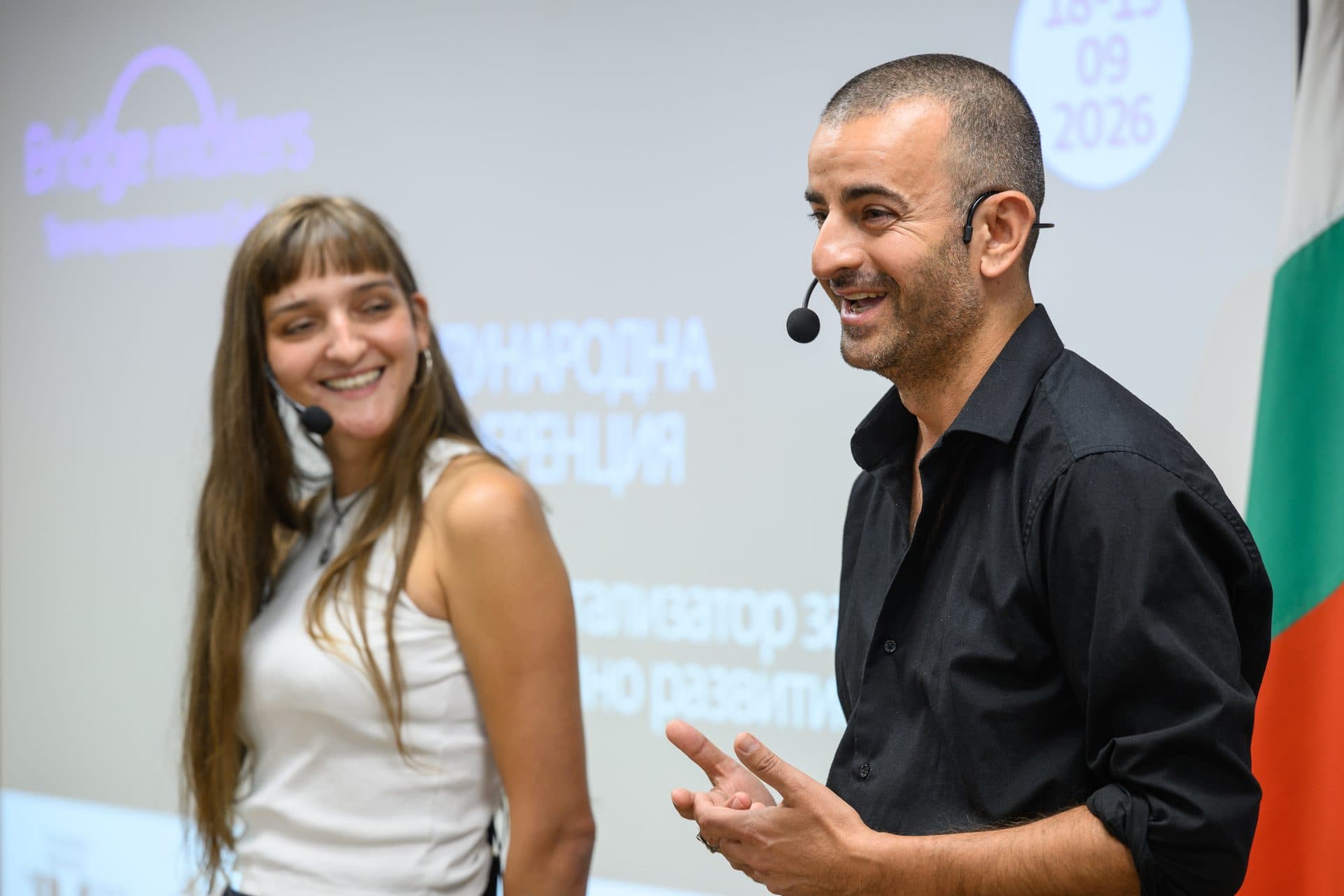
18–19 September 2026Sofia
18 September 2026 · House of Europe
The role of community centers and the European Capital of Culture in local development discussed at a conference in Sofia
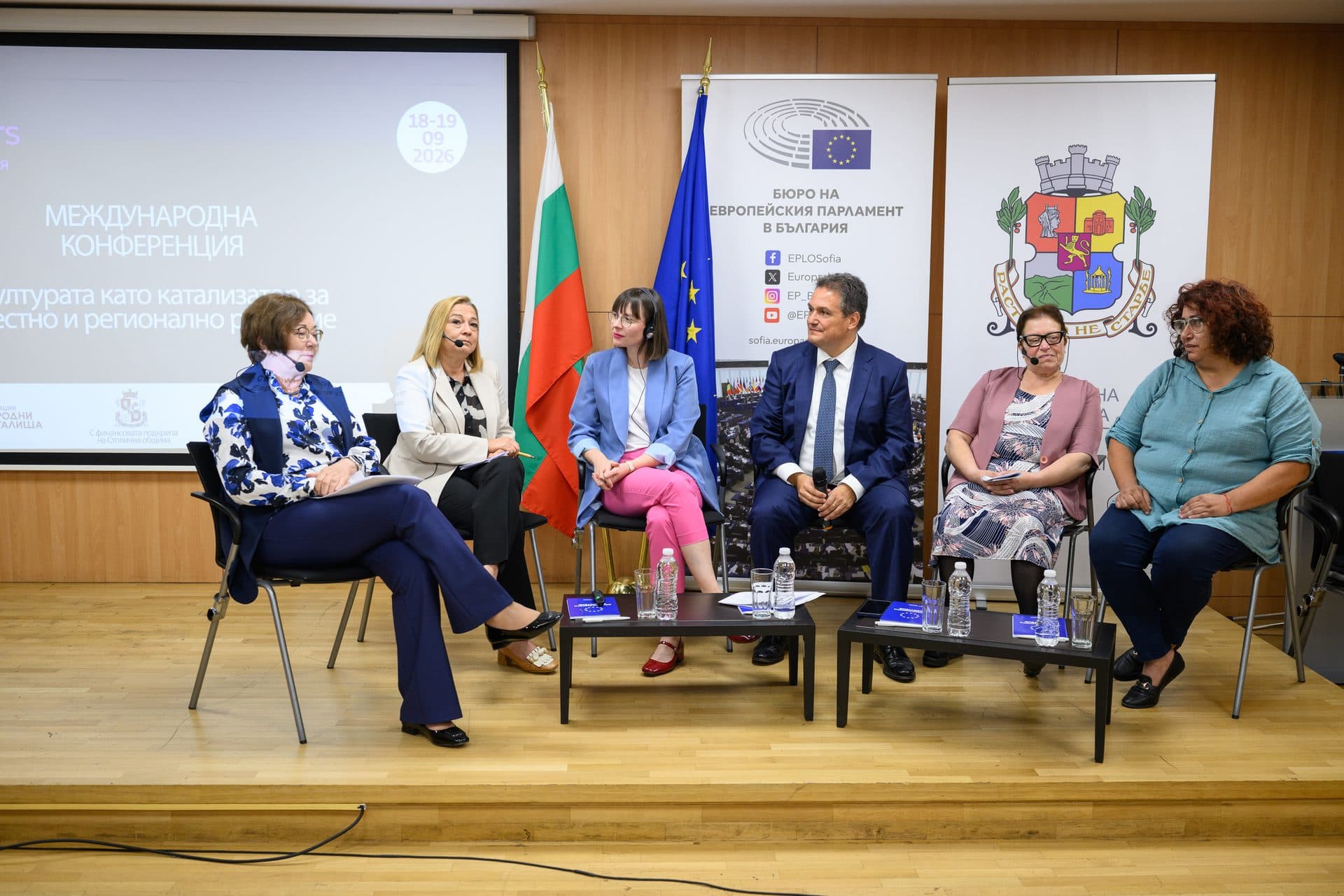
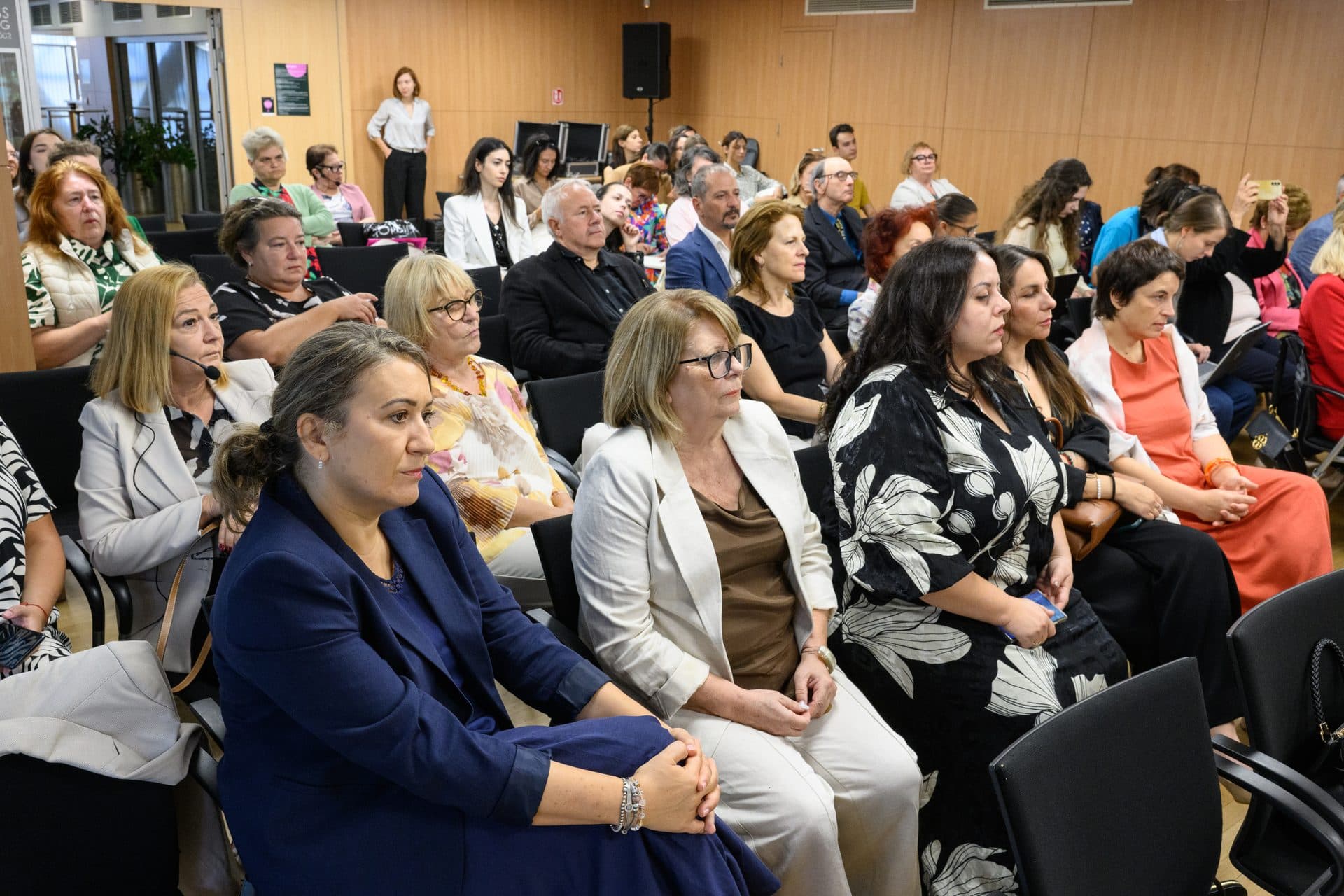
More than 50 representatives of European institutions, municipalities, ministries and cultural organizations took part in the event. They discussed community centers (chitalishta) as a driver of local development, as well as their need for training and a new, fairer funding model.
Three key words emerged during the conference
Support
Community centers in Bulgaria need SUPPORT — not only financial support, but also systematic support for their development and capacity building.
Change
The funding system needs to CHANGE, without undermining the independence of community centers and while taking into account the specific nature of their work.
Dialogue
DIALOGUE between local authorities, the government, members of parliament and community centers is the necessary foundation for all next steps. This dialogue must be structured and effective.
Learn more about the conference, held on 18 September 2026 at the House of Europe, from media and institutional coverage (in Bulgarian):
bTV
BTA
Bulgarian National Radio
Ministry of Labour and Social Policy
National Association of Municipalities (NAMRB)
Sofia Municipality
Gabrovo Municipality
UtroRuse
Kazanlak.com
HighViewArt
Bridge Makers · Sofia
Introduction
Bulgarian community centers are celebrating their 170th anniversary. A vast network of 3,597 community centers, 80% of which are in rural areas, holds immense potential—precisely the potential that the EU’s “Cultural Compass for Europe” calls on us to unleash: culture as a driver of cohesion, sustainability, and competitiveness in every region, not just in the capitals. While Bulgarian cities are preparing their bids for the European Capital of Culture 2032, the real question is whether rural and peripheral communities will be part of this story—and it is precisely the community centers where this culture is built from the ground up, every day. This conference brings together Members of the European Parliament, mayors, representatives of community centers, national and local authorities, the ENCC, and experts on the European Capital of Culture to put local culture back at the center of Europe’s territorial ambition. It is the third in a series of six roundtables under the ENCC’s “Bridge Makers” program, following meetings in the Czech Republic and Italy.
18 September · Day 1
Agenda
Day 1
Friday, 18 September 2026
Local time: Europe/Sofia
09:00–09:30
Registration and coffee
09:30–09:50
Official opening
Opening remarks
- Evtim Miloshev — Minister of Culture
- Vasil Terziev — Mayor of Sofia Municipality
- Tanya Chuntova — European Parliament Liaison Office in Bulgaria
- Pete Forger — Consultant to the ENCC board and Director of Culture of the City of Leuven, European Capital of Culture 2030
- Yuri Valkovski — Executive Director, “Narodni Chitalishta” Foundation
09:50–13:00
PANEL 1 — Dialogue between Local Authorities and Community Centers
09:50–10:05
Opening Remarks
- Katarzyna Pongowska — Deputy Director for Programme Affairs, Regional Center for Cultural Development (WOAK), Poland
10:05–10:15
Presentation of the “Active Community Centers” Program
- Irina Dakova — Deputy Mayor for Culture and Tourism, Sofia Municipality
10:15–11:15
Roundtable (Part 1): Relations between community centers/cultural centers and municipalities—best practices and challenges
Followed by questions and comments from community center and municipal representatives in the audience.
- Silvana Suleyman — Director, Vidin “Community Centers” Foundation
- Neli Roydeva — Chair, “Community Centers with a Future – 2012” Association, Tundzha Municipality
- Donka Mihaylova — Mayor of Troyan Municipality
- Teodora Dacheva — Deputy Executive Director of the National Association of Municipalities in the Republic of Bulgaria (NAMRB)
11:15–11:30
Coffee break
11:30–12:15
Roundtable (Part 2): Relations between community centers/cultural centers and municipalities—best practices and challenges
Followed by questions and comments from community center and municipal representatives in the audience.
- Srebra Kaseva — Deputy Mayor of Kazanlak Municipality
- Albena Nedeva — Chair of the Targovishte Municipal Community Centers Council
- Lilyana Barganska — Chair, “Vasil Levski – 1945” Community Center, Varna
12:15–13:00
Lunch
13:00–15:30
PANEL 2 — The Role of Community Centers in the European Capital of Culture
13:00–13:15
“The Heart of the Community Center”
Documentary video about the “Nikolay Haytov – 1936” Community Center, Sofia
13:15–13:45
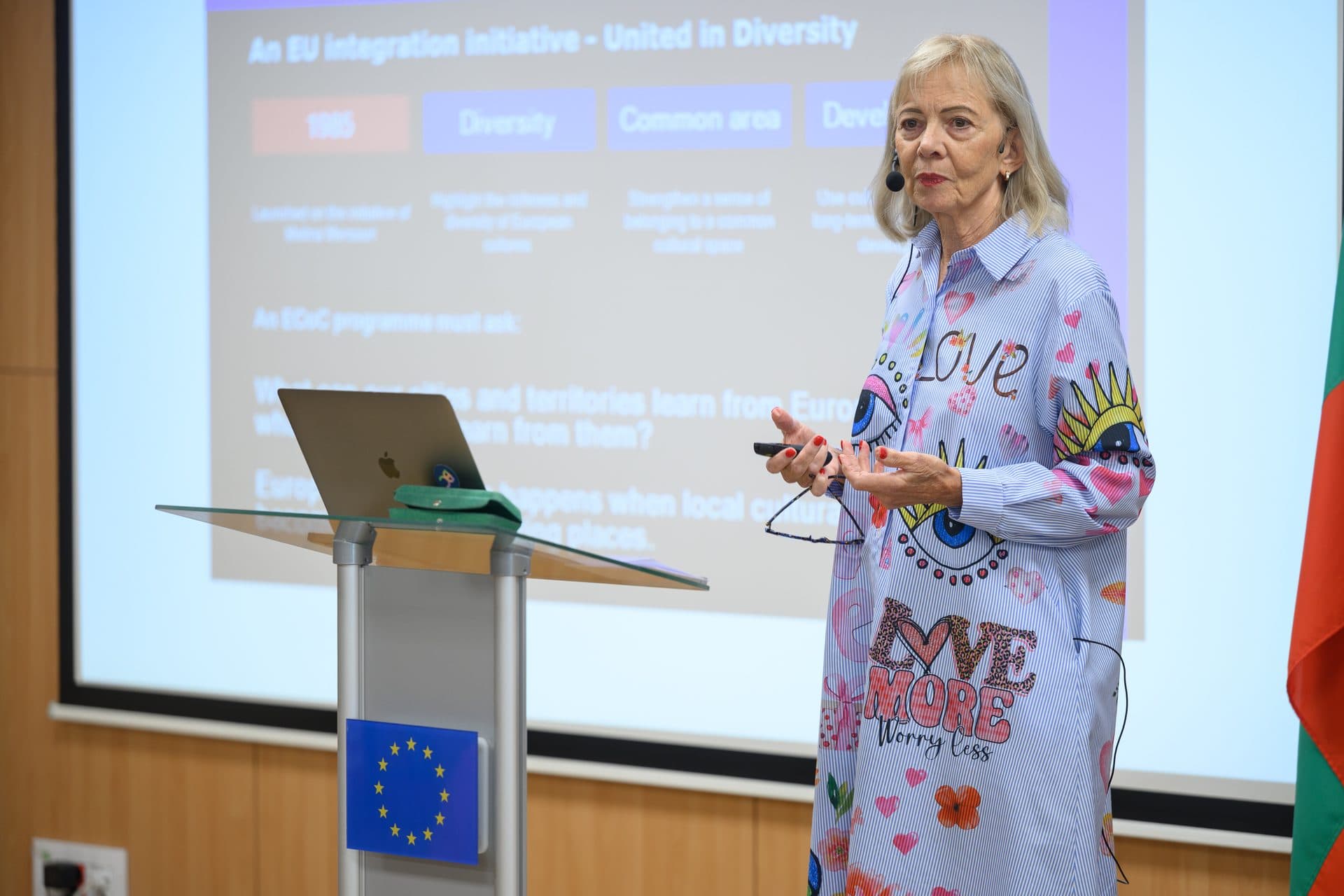
Keynote address: “ECoC as a Challenge and an Opportunity!”
- Else Christensen-Redzepovic — Former member of the European Capital of Culture Selection and Monitoring Panel, nominated by the European Parliament
13:45–14:15
On the Road to the Title of European Capital of Culture
- Ruska Boyadzhieva — Executive Director of the “Burgas 2032” Foundation
- Kalina Zhecheva — Christo and Jeanne-Claude Center, Gabrovo
- Galin Popov — TAM, Veliko Tarnovo
14:15–15:15
Dialogue
Reflections on the presentations heard and expectations for Bulgaria's future European Capital of Culture
- Pete Forger — Consultant to the ENCC board and Director of Culture of the City of Leuven, European Capital of Culture 2030
- Tsveta Nenova — Expert, Ruse
- Orlin Denkov — Chair, “Ivan Vazov – 2014” Community Center, Sofia
- Representative of the Ministry of Culture
15:15–15:30
Dialogue with the Audience
15:30–15:45
Coffee break
15:45–17:45
PANEL 3 — Culture as a Factor for Local and Regional Development
15:45–16:00
Opening Remarks
- Piotr Michałowski — Board member of the European Network of Cultural Centres (ENCC), coordinator of the ENCC Community Group on Rural Culture and Creativity, expert in territorial development and urban–rural cooperation
16:00–17:00
Panel Discussion
- Deputy Minister Rusev — Ministry of Labour and Social Policy
- Deputy Minister Chakarov — Ministry of Agriculture and Food
- Elena Ivanova — Director, “Rural Development” Directorate, Ministry of Agriculture and Food
- Tsvetelina Penkova — Member of the European Parliament, Vice-Chair, Committee on Industry, Research and Energy
- Iliya Godev — Secretary of the “Prof. Dr. Asen Zlatarov – 1927” Community Center, Smilyan village, Smolyan region
17:00–17:15
Comment on the discussion and remarks on the topic
- Anton Kutev — Chair of the Committee on Culture and Media, National Assembly of the Republic of Bulgaria
17:15–17:45
Discussion with the Audience
17:45–18:00
Conclusions and Recommendations
Day 2
Saturday, 19 September 2026
International guests only
Local time: Europe/Sofia
Time to be confirmed
Visits to two community centers in Sofia and the surrounding area
Morning.
Bridge Makers · Sofia 2026
Archive
The speakers’ remarks as PDF files and a photo album from the conference.
Partnership
About the Organizers
The European Network of Cultural Centers (ENCC) brings together over 200 sociocultural centers and networks from 39 countries in Europe and beyond, connecting over 5,000 cultural organizations with diverse structures, practices, and audiences. The network promotes dialogue, training, collaboration, and advocacy among cultural operators whose work is focused on social impact and community development. The network is co-funded by the European Union’s “Creative Europe” program.
The “Narodni Chitalishta” Foundation (NCHF) was established in October 2023 with the mission to support the potential of community centers in Bulgaria so that everyone—regardless of age, gender, education, or financial status—has a place to create, stay informed, and learn, and so that every rural and neighborhood community has a home.
The event is funded by the Sofia Municipality and is implemented as part of the ENCC’s “Bridge Makers” project, co-funded by the European Union. It is organized with the hosting and support of the European Parliament Liaison Office in Bulgaria.